
Custom Cold Heading Punches and Dies: Types, Materials and Selection Guide

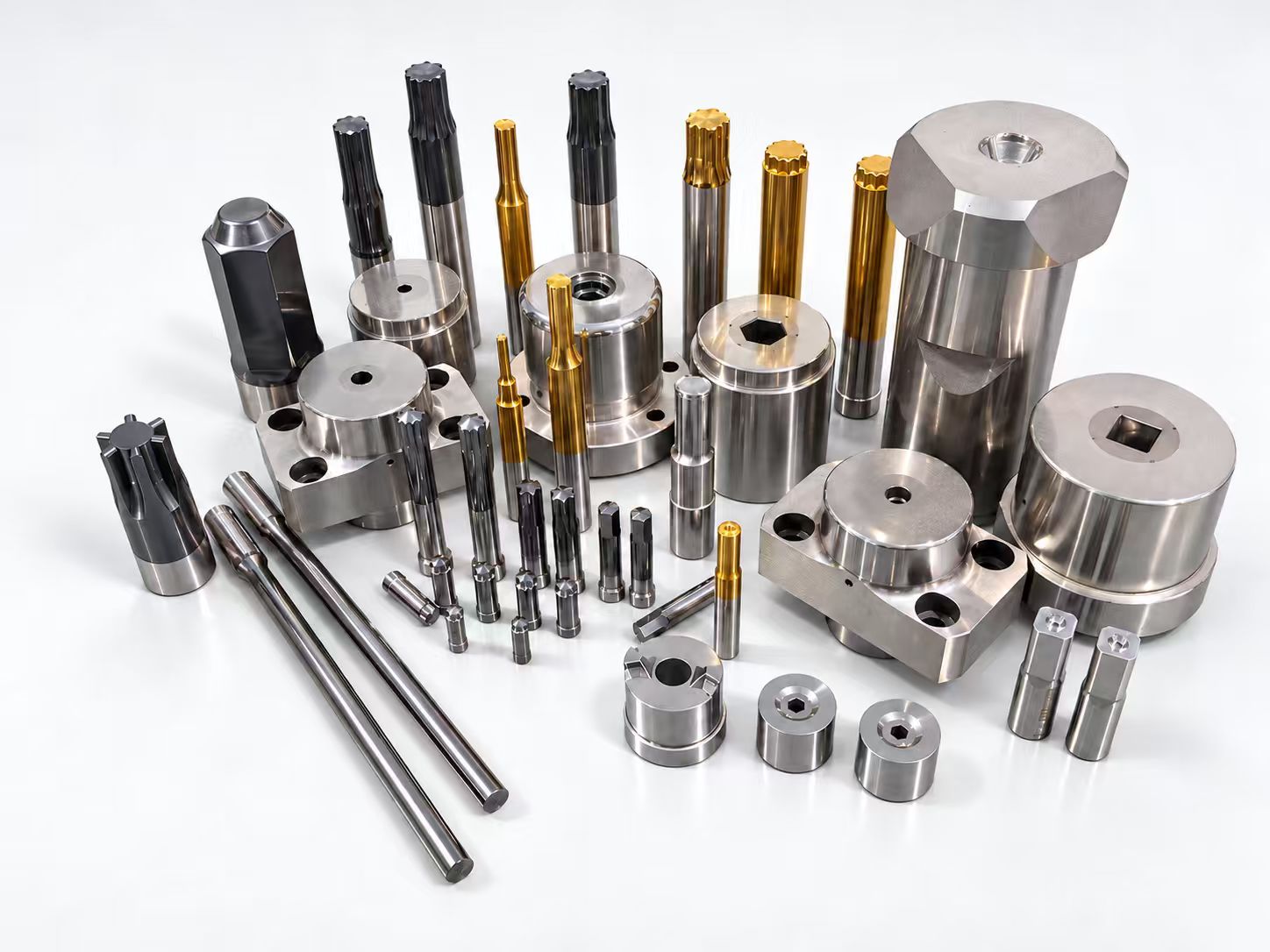
Cold heading is widely used in the manufacturing of bolts, screws, nuts, and other metal fasteners. In this process, punch pins and die components play an important role in forming metal materials into the required shapes.
Choosing the right tooling can help improve dimensional consistency, reduce unnecessary downtime, and support stable production. Whether you need standard punch pins or custom cold heading punches with special profiles, the tooling design should match your specific application.
In this guide, we will introduce different types of cold heading punches and dies, important material considerations, and key factors to consider when sourcing custom tooling for fastener manufacturing.
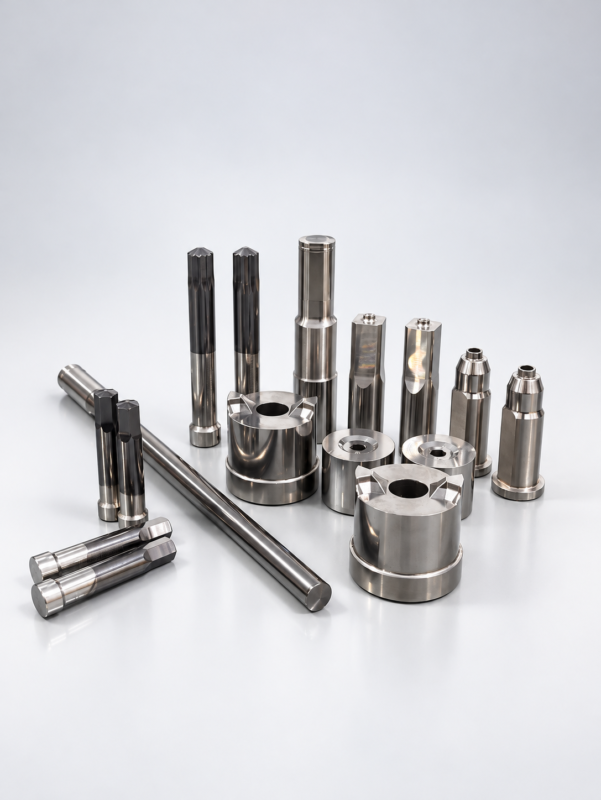
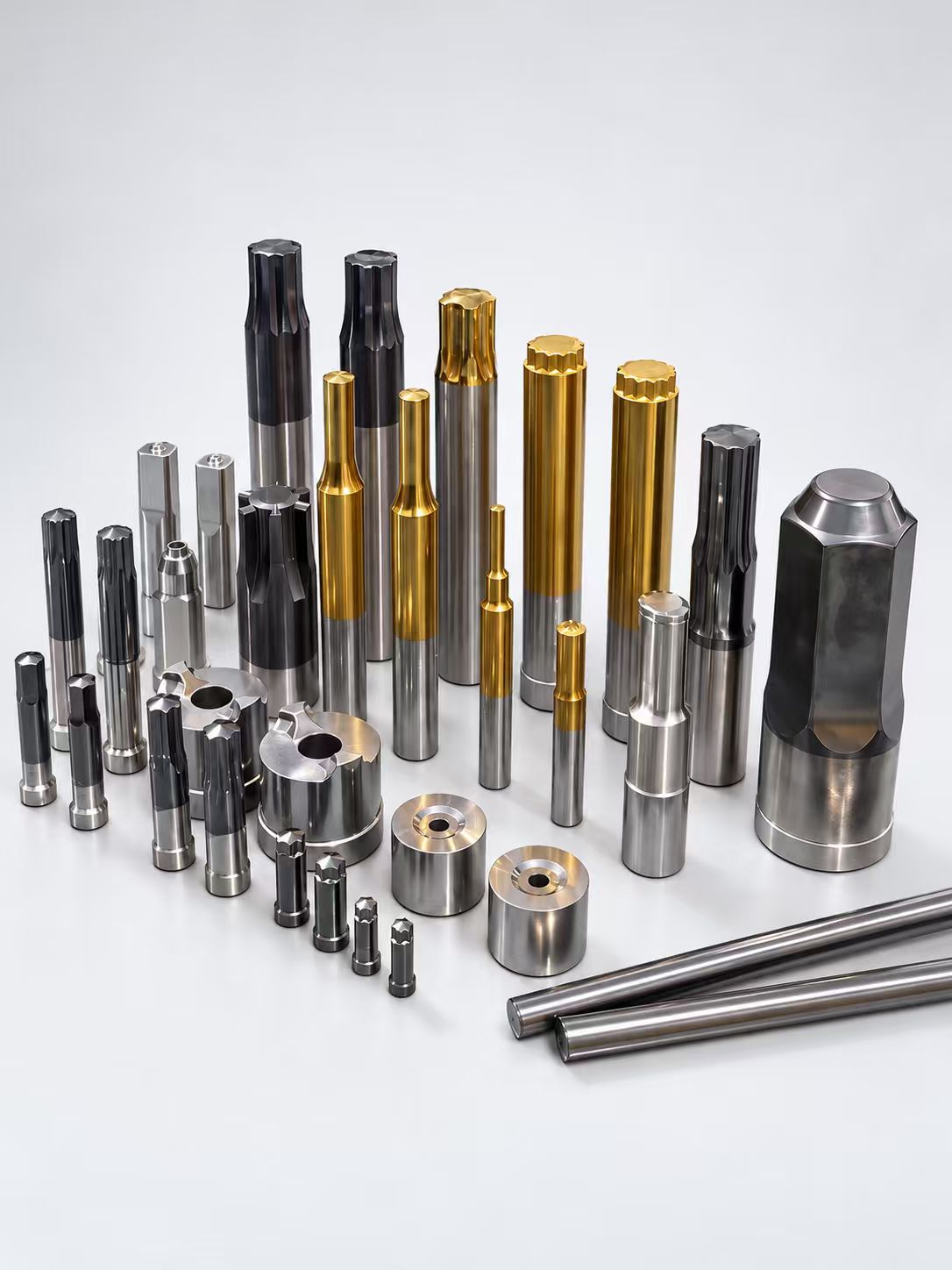
Custom cold heading punches and dies for fastener manufacturing
Types of Cold Heading Punches and Dies
Cold heading punches and dies are essential tooling components in the production of bolts, screws, nuts, and other metal fasteners. They help shape metal wire into precise forms through high pressure, making tooling accuracy and durability important for stable production.
Different fastener designs require different punch shapes, dimensions, and die configurations. Choosing the right tooling depends on the product drawing, material being formed, machine conditions, and production requirements.
Common types of cold heading punches include:
1. Standard Punches
Standard punches are suitable for applications that use established tooling dimensions and conventional fastener designs. They can be a practical option when the required specifications match existing tooling.
2. Custom Shaped Punches
Custom punches are manufactured according to specific drawings or samples. They are suitable for special head shapes, nonstandard fasteners, and applications requiring customized dimensions or forming profiles.
3. Multi Stage Tooling Components
Some cold heading processes require multiple forming stages. Each punch and die must work together to achieve the required shape while maintaining dimensional consistency throughout production.
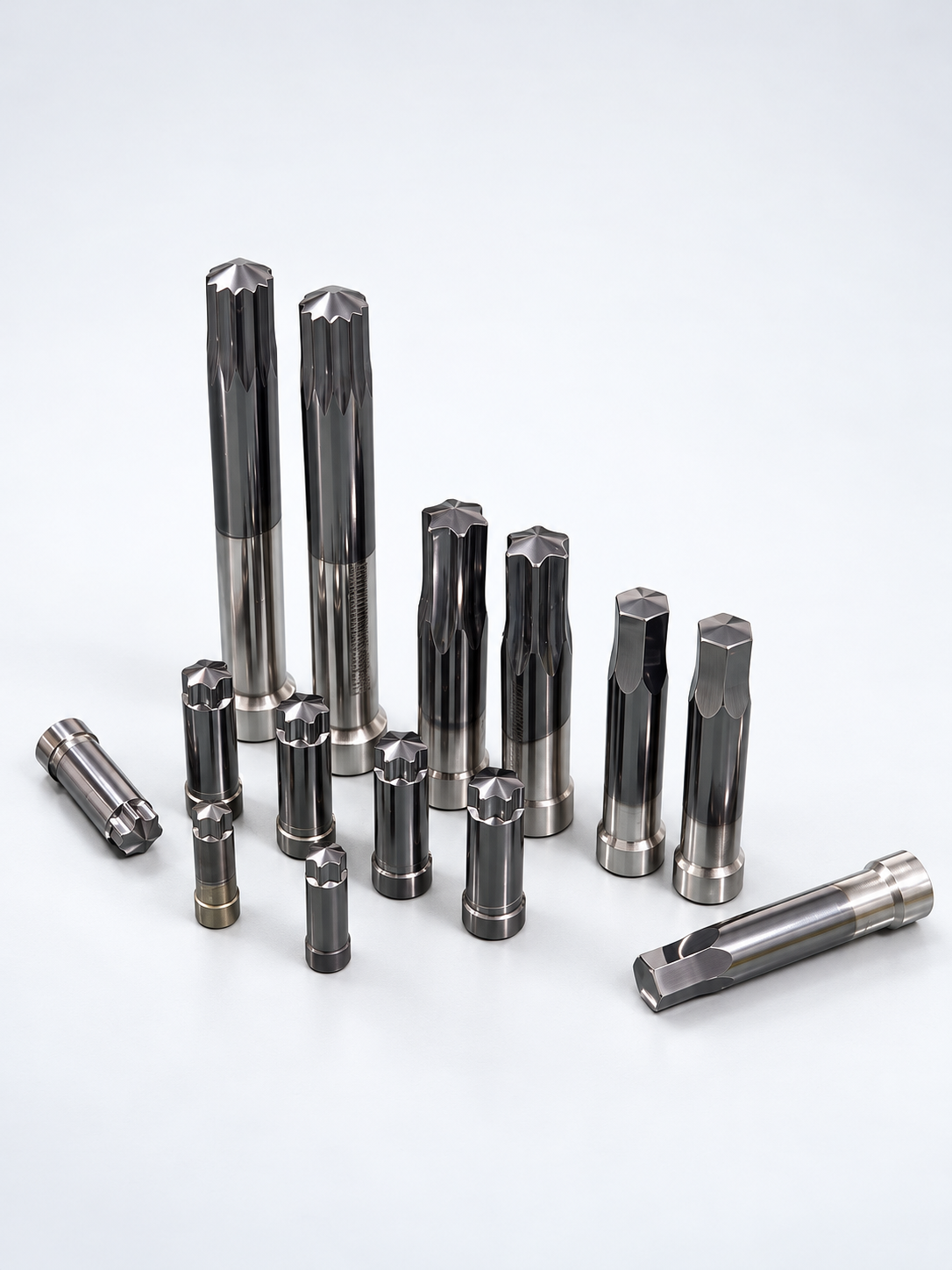
Materials and Surface Treatments for Cold Heading Punches
Material selection is an important factor in the performance and service life of cold heading punches. The right material depends on the workpiece material, forming pressure, production speed, tooling design, and operating conditions.
Common Punch Materials
M2 High Speed Steel: M2 is commonly used for tooling applications that require a balance of hardness, toughness, and wear resistance.
M42 High Speed Steel: M42 may be suitable for demanding applications where high hardness and wear resistance are important. The final performance depends on the tooling design and heat treatment.
Other Tool Steel Grades: Different tool steel grades can be selected according to the application, production requirements, and customer’s specifications.
Hardness and Surface Treatments
Proper heat treatment helps achieve the required hardness and mechanical properties. Surface treatments or coatings, such as titanium based coatings, may also be considered to improve wear resistance and reduce friction in suitable applications.
When selecting a punch, it is important to consider the complete working conditions rather than hardness alone. Material selection, heat treatment, dimensional accuracy, surface finish, and correct machine setup all contribute to tooling performance.
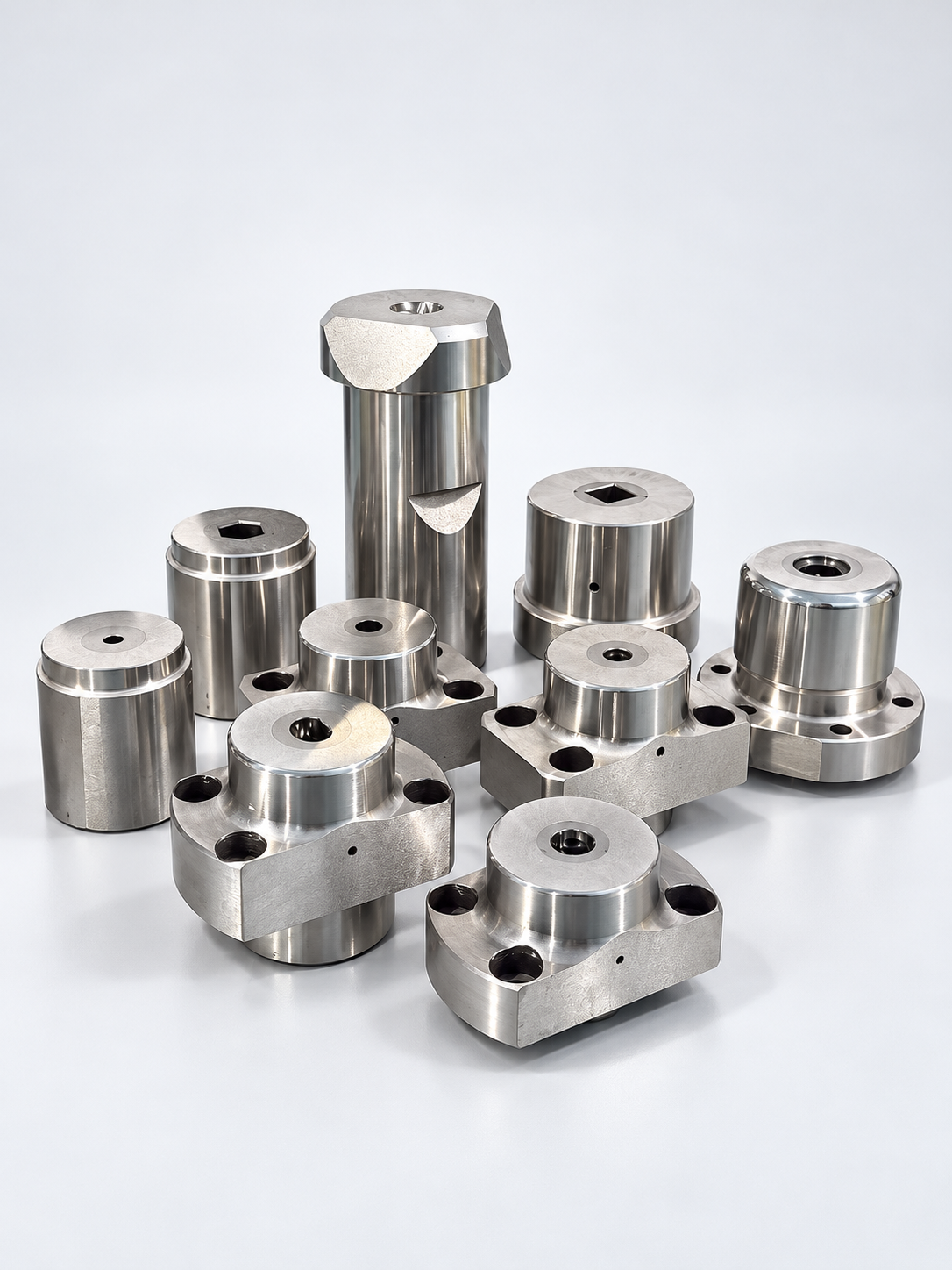
How to Choose the Right Custom Cold Heading Punch
Selecting the right cold heading punch requires more than choosing a material or standard size. The punch must match the fastener design, forming process, and operating conditions to achieve consistent production results.
1. Provide Detailed Drawings or Samples
Technical drawings help define the punch profile, dimensions, tolerances, and critical features. If drawings are unavailable, physical samples or reference dimensions can help clarify the requirements.
2. Confirm Dimensions and Tolerances
Accurate dimensions are essential for proper tooling fit and reliable forming. Specify the critical dimensions and tolerances required for your application before production begins.
3. Select the Appropriate Material and Hardness
Material selection should consider the workpiece material, forming pressure, production volume, and expected wear conditions. The appropriate hardness and heat treatment should be determined according to the application.
4. Consider the Complete Tooling System
Punches and dies work together during cold heading. Compatibility with the die, machine setup, and forming sequence can affect product quality, tooling wear, and production stability.
5. Discuss Your Application with the Manufacturer
An experienced tooling manufacturer can review your drawings, discuss material options, and recommend a suitable manufacturing approach based on your requirements.
Common Cold Heading Punch Problems and How to Reduce Them
Looking for Custom Cold Heading Punches?
We manufacture standard and custom cold heading punches according to customer drawings and specifications. Whether you need replacement punches, special profiles, or tooling for a new fastener design, we welcome your inquiry.
Send us your drawings, dimensions, or samples for a technical review and quotation. Small batch orders and OEM customization are welcome.
Contact us today to discuss your tooling requirements.